
Brie
Oceguera-Perez
- Home
- Brie Oceguera-Perez

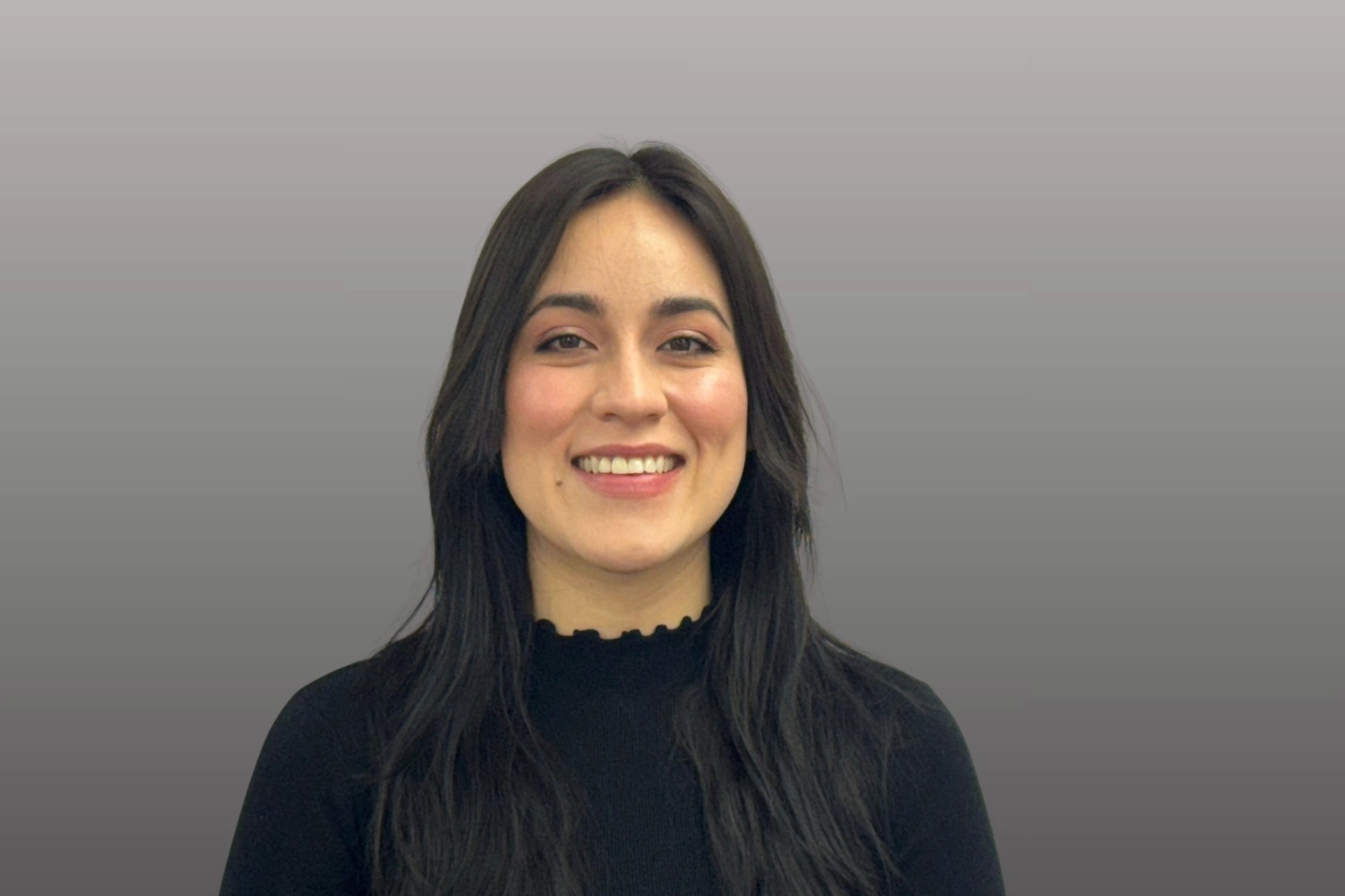
Brie Oceguera-Perez, MS, MPAS, PA-C
Dermatology Provider
Most people see skin. She sees a story and the person living inside it.
Long before she stepped into the exam room, Briseida was in the lab, tracking how collagen shifts and frays as we age, how invisible changes beneath the surface become the lines, textures, and tones we carry through our lives. That early work didn't stay in a notebook. It got under her skin. It became the lens she can't take off, the one that finds the pattern in the rash, the history in the scar, the fear behind the question asked too quietly to be heard the first time.
In Terre Haute and across the Wabash Valley, she brings that same relentless attention into every visit at Biltmore Dermatology. With a B.S. in Molecular and Genetic Biology from the University of Wisconsin–Platteville, a Master of Science in Biotechnology from Illinois State University, and Physician Assistant training from Indiana State University, her foundation is formidable. But credentials hang on walls. What patients feel is something else entirely: the room slows down, the noise of the day falls away, and for perhaps the first time in a long time, they are genuinely, unhurriedly seen. The thing they rehearsed in the car, the worry they almost didn't mention, the question they assumed was stupid, the symptom they've been quietly carrying for years — none of it gets waved away. All of it gets met with the same steady, searching attention that has defined her since the beginning.
When someone arrives with acne that has outlasted every over-the-counter promise, eczema that wakes them at 3 am, psoriasis they've learned to hide, a rash that arrived without explanation, or a growth that has been quietly frightening them for months, Briseida begins not with a clipboard but with calm. She names what she sees, what it isn't, and what the path forward looks like, step by step, in language stripped of performance and jargon. The complexity doesn't disappear. It just stops being a wall and becomes a map. Patients leave not merely with a plan but with understanding, and in a world that moves too fast and explains too little, that understanding becomes its own quiet relief.
Because she is fluent in Spanish, none of that warmth is lost in translation. The precision doesn't erode. The humanity doesn't thin. Families can lay down years of worry in the language closest to their hearts and pick up clarity in the same breath. In that space, patients don't have to translate themselves to receive care that fits. They can simply arrive, exactly as they are, and be met with everything they needed and were afraid to ask for.
Her aim has never been complicated: bring the full weight of science and the full warmth of presence into every room, and make sure that when people leave, they carry not just a treatment plan but the rare, steadying knowledge that their skin and their story were both taken seriously, held carefully, and that they were never, for a single moment, alone in it.